
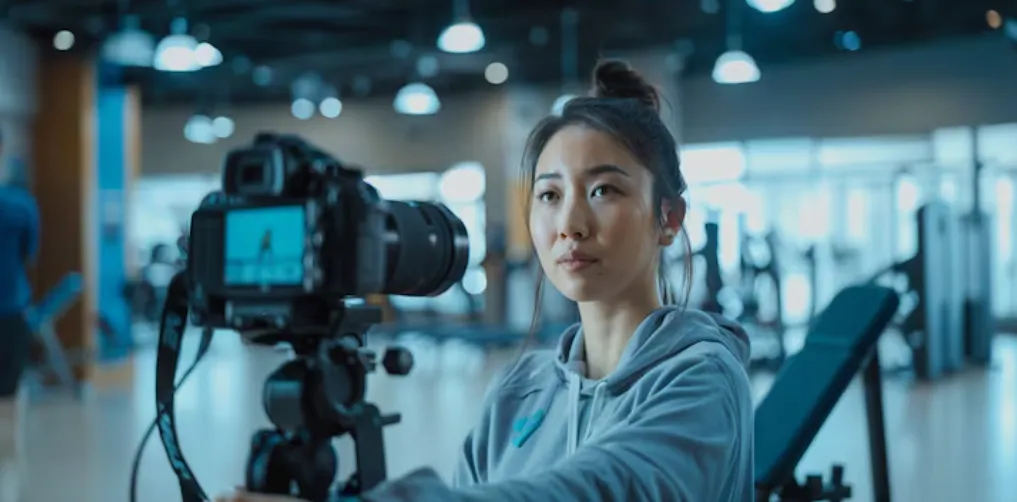
A professional video production company can help businesses turn an idea into clear, engaging visual content without leaving every detail to the client. In Korea, this support can be useful for international brands, broadcasters, and organisations planning a local shoot. The process may involve creative planning, location research, crew selection, filming, sound, editing, and delivery. Understanding these stages before production begins helps clients prepare better and communicate expectations clearly. It also creates a stronger foundation for producing a video that feels relevant, organised, and suitable for its audience.
Define the Creative Direction
The first stage usually focuses on understanding the purpose of the project and the intended viewers. A corporate introduction, service video, documentary, commercial, or interview production will need different creative decisions. The production team may discuss the message, script, visual references, locations, schedule, duration, and final delivery platforms. This early conversation gives everyone a common direction before cameras arrive. It can also reveal concerns that need attention early in planning, such as language requirements, travel between locations, contributor availability, equipment needs, and the number of filming days required.
Explore Suitable Korean Locations
Korea offers many locations that can give business videos a distinctive visual identity. Seoul provides modern offices, commercial districts, busy streets, cultural areas, studios, and similar environments, while other parts of the country offer different landscapes and settings. Location selection should consider more than appearance, however. Access, background noise, lighting, transport, available space, permissions, and timing can affect the shoot. A local production team can help identify suitable options and assess how each location will work practically before the filming schedule becomes fixed. This can prevent unnecessary changes later.
Build the Right Production Crew
The crew should match the scale and creative needs of the production. A simple interview may require a producer, camera operator, and sound professional, while a larger commercial could involve lighting specialists, assistants, multiple camera operators, interpreters, and additional crew. Clear responsibilities help prevent confusion during filming and make it easier to respond when something changes. Local crew members can bring useful knowledge of Korean locations, suppliers, and working conditions. This combination of technical skills and local understanding can make an international production more manageable while keeping filming organised.
Explain Services Through Video
For businesses explaining what they offer, service video production can turn complicated information into something viewers understand more easily. A service video might demonstrate a process, introduce employees, answer customer questions, or show how a service fits into situations. The production approach should match the audience rather than simply listing features. Interviews, demonstrations, workplace footage, graphics, and supporting shots can work together to explain the value of the service. When the message remains focused, viewers are more likely to understand the company, follow the explanation and remember its offering afterwards.
Prepare Before Filming Begins
Preparation becomes especially important once filming dates are confirmed. Call times, locations, equipment, crew responsibilities, interview schedules, transportation, and special requirements should be checked before filming begins. A realistic schedule keeps the team moving while leaving room for unexpected changes. Weather, traffic, location conditions, or contributor availability can affect the plan, particularly when several locations are involved. Preparing alternatives allows the crew to react without losing valuable filming time. Good preparation does not remove every problem, but it gives the production team a clear way forward for everyone involved.
Capture Useful Supporting Footage
Filming should capture more than the main interview or planned scene. Supporting footage can show employees working, products being used, offices operating, customers interacting, or details connected with the story. These shots give editors more options when building the sequence and can make transitions feel natural. Environmental footage can also establish a stronger sense of place, which is useful when a project is filmed in Korea for audiences elsewhere. A thoughtful crew pays attention to visual moments that may become valuable during editing and make the finished video feel complete.
Conclusion
Knowing what to expect from a professional production team makes it easier for businesses to approach filming with realistic expectations and a clear plan. Creative development, Korean location support, crew coordination, filming, supporting footage, and post-production all influence the final result. Posted-productions.com supports production projects in Korea by helping clients manage creative and practical requirements across different stages of a shoot. For businesses and international teams planning content in Korea, local production support can simplify coordination while helping the finished video communicate its message naturally, clearly, and professionally.